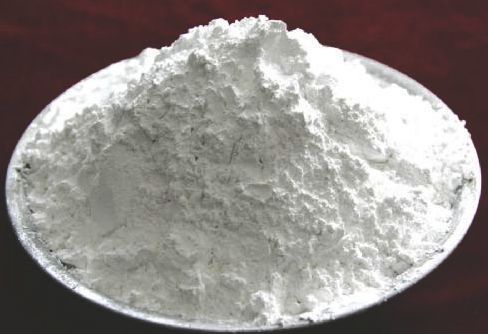
Calcium oxide, quicklime, or burnt lime, is a white, odorless powder. Don’t let its simple appearance fool you – it’s a powerhouse when it comes to moisture control.
The success of any rubber product hinges on a flawless curing process. Here’s where calcium oxide shines:
Sodium silicate solution (water glass) and mineral acid are reacted in an agitated vessel to produce a slurry of amorphous silica particles. The critical physical properties of precipitated silica, such as particle size and porosity, are controlled during this stage of the process by manipulating, among other things, the composition, concentration, and ratio of reactants in the precipitating solution; the speed of agitation; the reaction time; and the reaction temperature.
he precipitated silica slurry is then concentrated to form a filter cake. The product filter cake is washed to remove the salt byproduct that is produced during precipitation.
The silica filter cake is then dried to the desired final product moisture content.
The dried silica is then finished to achieve the desired final product form. This can include: agglomeration or compaction into a low-dust form, or milling and classification to the required particle size distribution.
Precipitated silica is an extremely versatile material, with properties that can be manipulated during the manufacturing process to deliver products with a wide range of performance-enhancing properties engineered for many end-use applications, including: